Al Jazara
روایت خاورمیانه
Al Jazara
روایت خاورمیانه 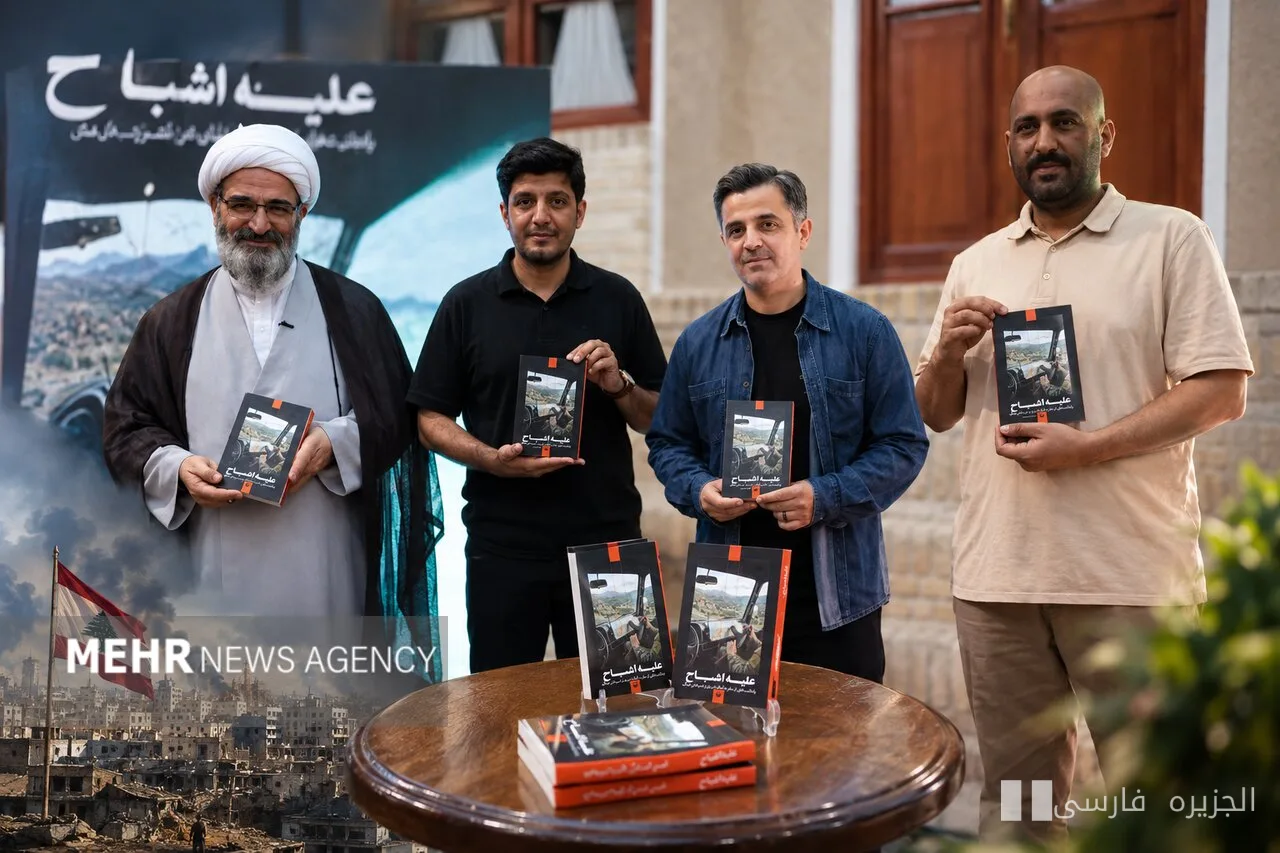
Mohsen Hassan-Zadeh, a writer and cultural activist, in a deep conversation about his experiences in Beirut after the assassination of Sayyid, narrates the bitter and sweet realities of this city. Having lived sixty nights under the sky of Beirut, he recalls the surge of pride and unity among the Lebanese people during hard days.
Images and Emotions at the Entrance of Beirut
Hassan-Zadeh, in response to his first image at the entrance of Beirut, speaks of anxiety and ambiguity. He says, "Until Damascus, everything was passing in ambiguity and anxiety; the anxiety that they wouldn't let us set foot in Beirut." But upon reaching the border and hearing about the operation 'Promise Fulfilled 2', this anxiety turns into pride. He recalls the excitement and joy of the Syrian driver and passengers who were praying for the success of the missiles.
Read more: Increase in the Rift within the Democratic Party in the House Foreign Affairs Committee
Challenges of Hezbollah and the Realities of Lebanon
In this conversation, Hassan-Zadeh refers to the challenges Hezbollah faced after the martyrdom of Sayyid and the blows to its organizational structure. He states, "Hezbollah had suffered a devastating blow; one or two ranks of the command staff had been martyred, and the subsequent layers had to protect themselves for the survival of the organization." He also points to the errors of analysts behind desks and emphasizes that the will of resistance has not yet collapsed.
Hassan-Zadeh recalls the changes in emotions in Lebanon after the pager incidents and the solidarity of various sects to help the injured. He speaks with regret about the old wound of espionage in Lebanon and the presence of refugees with Salafi tendencies, saying, "Espionage is the open and old wound of Lebanon."
He continues by mentioning the youth who have raised the red flag amidst the ruins, considering this scene a symbol of their resilience and identity. "These flags mean the cry that our identity will not be buried under the rubble"; this statement by Hassan-Zadeh aptly reflects the spirit of resistance and the will of the Lebanese people.
Remembrance of Death and the Resilience of Humans
Hassan-Zadeh further refers to life in the shadow of death and its impact on the clarity of humans. He believes that standing in the line of fire, when mixed with conviction, removes the masks from the faces of humanity, stating, "The people of Dahieh did not suspend life under the shadow of danger."
He recalls a fighter who had been away from the sun and now, after the martyrdom of Sayyid, asks, "Why should I return?" In response to this question, Hassan-Zadeh only mentions the word "conviction" and emphasizes that no military logic can explain this resilience.
Finally, he discusses the cultural impacts and communications in the resistance front and emphasizes the necessity of translating and correctly understanding the culture and history of Lebanon. Hassan-Zadeh believes that cultural communications should be taken more seriously and more efforts should be made to introduce the resistance and the culture of Lebanon.
Read more: Bin Salman Turned to Israel to Counter Ansar Allah in Yemen · Hojjat al-Islam wal-Muslimeen Tayeb: The Main Goal of Soft War is to Capture the Value System of Societies