Al Jazara
روایت خاورمیانه
Al Jazara
روایت خاورمیانه 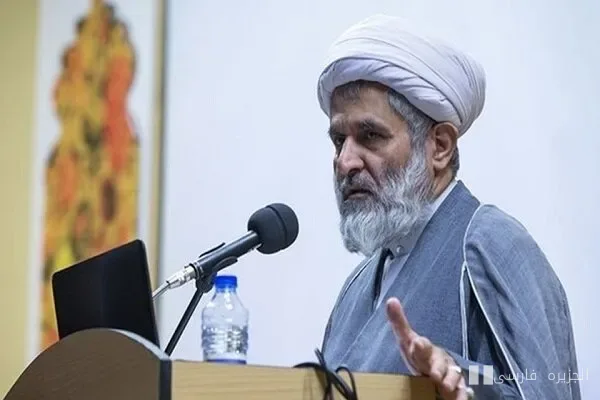
Hojjatoleslam Va Almoslemin Taeb, the head of the Basij Organization, emphasized the necessity of utilizing the capacity of art to narrate the experience of the Iranian nation's resistance and the recent developments in Palestine at the second international event "Honest Promise in the Mirror of Art." This event was held in an enthusiastic atmosphere with the presence of artists and cultural activists, and Taeb elaborated on the dimensions of soft war and cognitive warfare.
Soft War and Seizing the Value System
In this meeting, Taeb stated that the main goal of soft war is not to seize territory, but rather to change individual and collective mindsets and to seize the value system of societies. He added: "The place of love and hatred towards one's own and foreign values changes, and imposed values replace the national, religious, and human values of nations." These words from Taeb highlight the importance of cognitive warfare and its impact on public opinion.
Read more: When Conscience Sees and Language Avoids Naming: A Look at Yahya Lababidi's Book
He also referred to the sensitivity of nations towards the concepts of freedom and justice, stating: "Any nation that cannot tolerate oppression against children and innocent people will react against it." Taeb emphasized that one of the goals of cognitive warfare is to change the feelings and valuations of society in such a way that it becomes indifferent to oppression.
The Role of Media and Artists in Narrating Reality
The head of the Basij Organization considered the role of media in shaping global public opinion to be very significant and added: "A considerable portion of the media and communication infrastructures are influenced by major powers, and artists and cultural movements must produce their own narratives." Taeb stressed the necessity of using artistic tools such as film, theater, and poetry to convey social realities.
In another part of his speech, Taeb referred to the developments in Palestine and the importance of examining the background of these events. He mentioned the "Al-Aqsa Flood" operation and stated that this operation challenged the image of the military capabilities of the Zionist regime. Taeb added: "To understand the current situation in the region, one must pay attention to the history of the formation of the Zionist regime and the role of Western powers."
Taeb also addressed the contradictions between Western human rights claims and the actual behavior of major powers, saying: "The protests of students at American universities against the Gaza war are a sign of the gap between claims and actions." He considered this issue to reflect the contradictions in the claimed values of the West.
Finally, Taeb emphasized the necessity of expressing the narrative of national cohesion in artistic works and said: "An artist must portray the reality of war and the suffering of people in a universal language." He called for the production of artistic works that showcase the power of resistance and the complexities of human war and convey them to global audiences.
Read more: Return of Magic: Sandra Bullock and Nicole Kidman in Practical Magic 2 · Hamid Shahriari: The Time for the Unity of the Islamic World to Support Palestine Has Arrived