Al Jazara
روایت خاورمیانه
Al Jazara
روایت خاورمیانه 
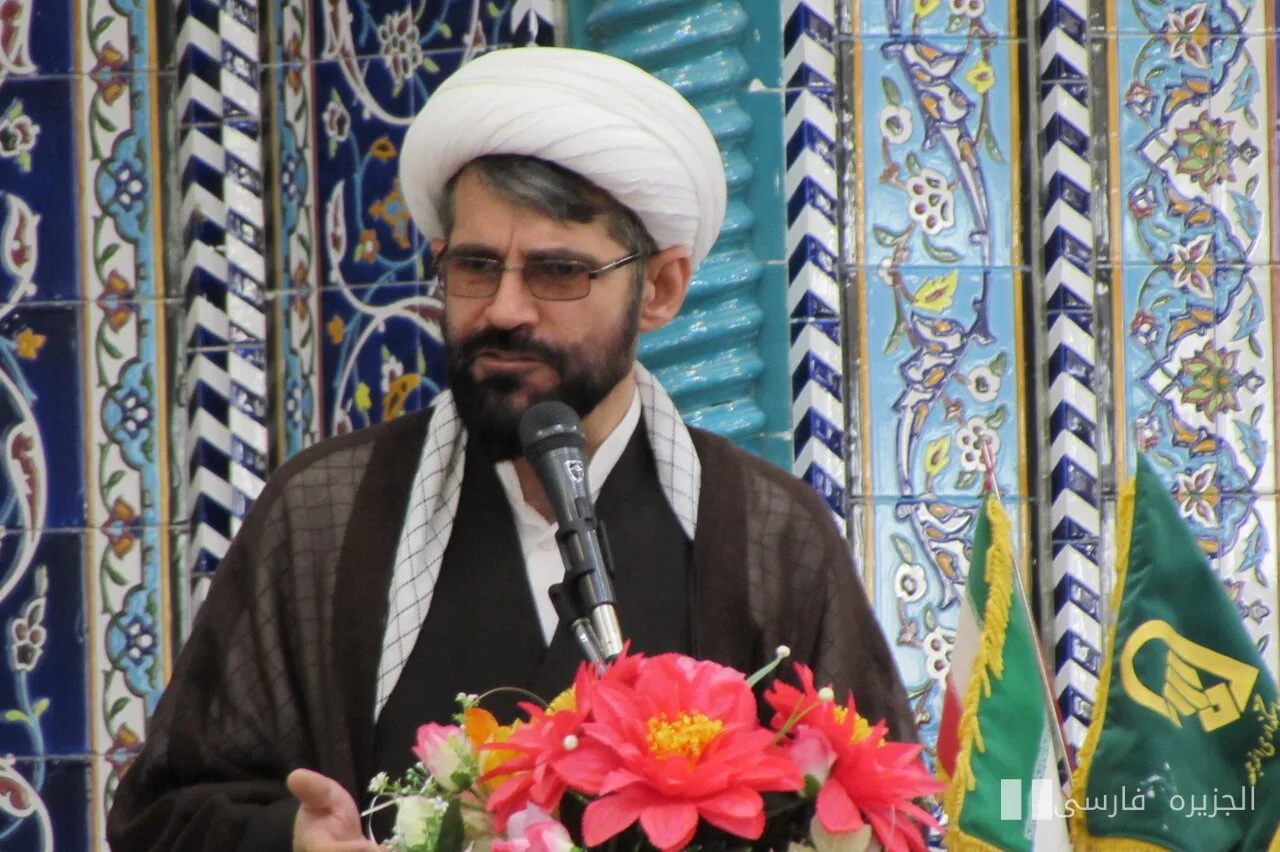
Mukhtar Sheikh Hosseini, a faculty member and assistant professor at the Research Institute for Political Science and Islamic Culture, evaluated the research value of the book "Iran, the Brotherhood, and Arab Uprisings; Surprises and Untold Stories" during a session held at Baqir al-Uloom University.
The Necessity of a Theoretical Framework in Analyzing Islamic Movements
Sheikh Hosseini noted that this book is a long-term intellectual project, stating: "This work is a continuation of an intellectual project and also the result of a valuable practical experience." He compared this book with other works in the field of contemporary Islamic movements and stated that this book lacks a specific theoretical framework, and researchers must determine the theoretical model governing the research.
Read more: The Gulf States' Reaction to the War in Iran and Its Consequences
The Theoretical Challenge of the Islamic Republic in Interacting with the Opposition
This university professor also addressed the theoretical challenges of the Islamic Republic in relation to Islamic movements, emphasizing: "After the Islamic Revolution, as a national government, we want to engage with a movement that plays the role of the opposition in many political systems." He added: "This issue still poses a serious ambiguity for the Islamic Republic and cannot be easily compared to the pre-revolution period."
Sheikh Hosseini further emphasized that before the revolution, the relationship among political Islamists, especially between Shia and Sunni, was natural, but after the revolution, this issue remains unresolved.
Historical Examination of State-Building Experience
He referred to historical experiences of state-building in Iran and the Muslim Brotherhood, stating: "We must note that the Islamists themselves did not have completely clear and final ideas about the structure of the state at certain points." Sheikh Hosseini stressed that the connections of the Brotherhood with Iran should be examined in a historical context and said: "Many of the connections were more the result of individual activities."
He also mentioned the role of Salafism and stated that one should not attribute an excessive share of the 2011 developments to the formation of jihadist movements. He added: "Jihadist movements had roots that traced back to decades before the Arab uprisings."
In conclusion, Sheikh Hosseini addressed the fundamental differences between the experience of Islamism in Tunisia and the Islamic Revolution in Iran, stating: "The experience of the Islamic Revolution in Iran, given the broad social support and Islamic idea, facilitated the establishment of an independent political system."
Read more: Washington Post Analysis on the Power of Ansar Allah in Yemen · Challenges of Selling the War in Iran: Cleanup, Polygraph Tests, and Propaganda