Al Jazara
روایت خاورمیانه
Al Jazara
روایت خاورمیانه 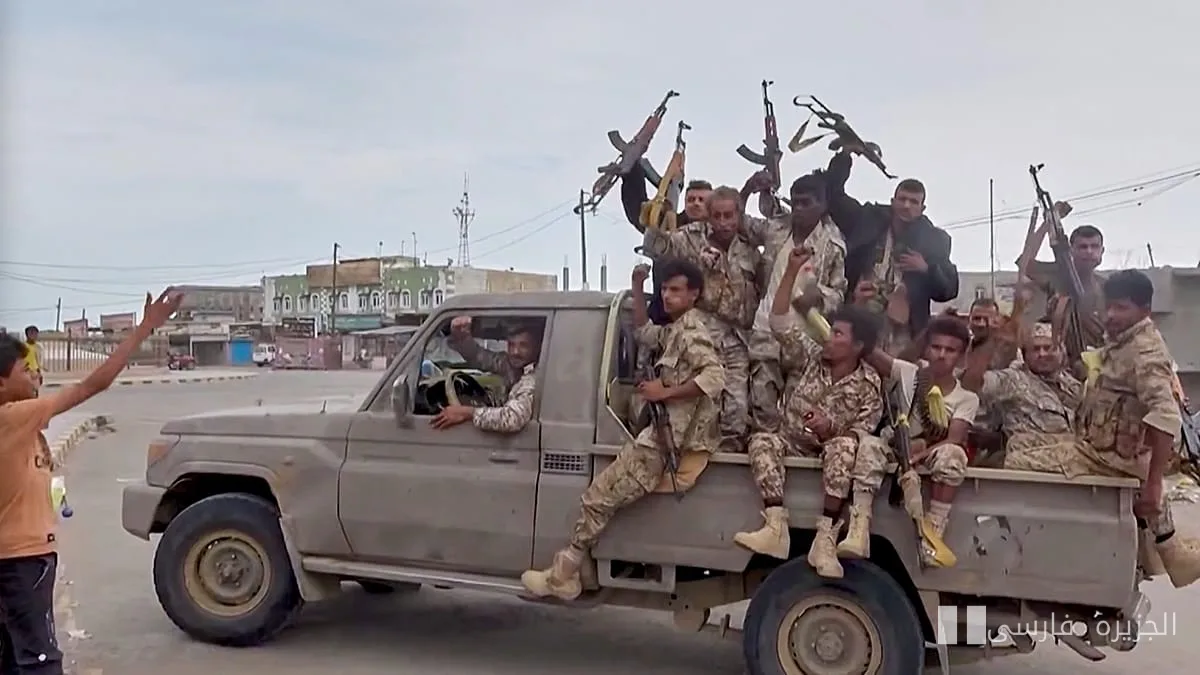
On Tuesday, Saudi Arabia conducted over 50 airstrikes on Yemen in retaliation for Houthi air attacks. These strikes came after the Houthis announced that they had fired "dozens of ballistic missiles and drones" towards the King Khalid Air Base in Khamis Mushait in southern Saudi Arabia.
Houthi Attacks and State of Emergency in Saudi Arabia
The Houthis inflicted significant damage on Saudi military infrastructure by targeting aircraft hangars, radar systems, and ammunition depots at the King Khalid Air Base. In response to these attacks, Saudi officials declared a state of emergency in Khamis Mushait and three other southern cities. One resident of Khamis Mushait reported to journalists hearing "loud explosions" and said that the fires caused by these explosions continued for a "long time."
Read more: Trump Administration Faces Two Legal Hurdles on Immigration
According to the Saudi-led coalition, thirteen civilians have been injured during the Houthi attacks. In response to these attacks, Saudi Arabia has launched extensive air operations targeting Houthi positions in Yemen.
Escalation of Conflicts and Its Consequences
Since the resumption of hostilities in July, the Houthis have taken control of parts of the Red Sea coast and the Bab al-Mandab Strait. These developments have become part of a larger war between the United States and Iran, particularly affecting global oil exports. With the capture of the "Perim" island at the mouth of the Red Sea, the Houthis have targeted Saudi oil infrastructure, leading to an increase in oil prices, surpassing $100 per barrel.
Saudi Arabia also holds Iran-backed militants in Iraq responsible for the disruption of its East-to-West oil pipeline. A prolonged shutdown of this pipeline could reduce global oil supply by up to 4 percent.
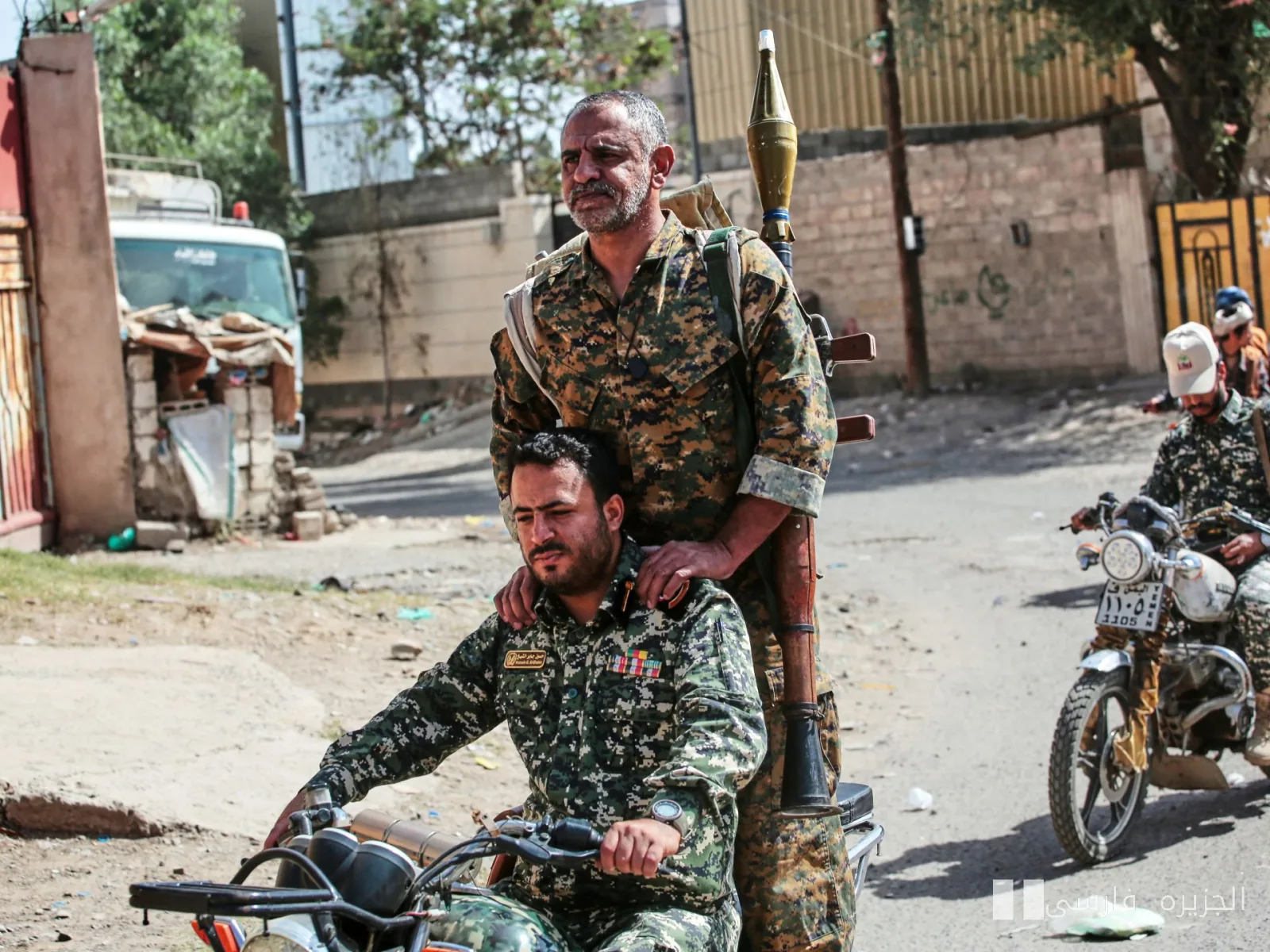
Meanwhile, the Houthis have threatened to continue their attacks in response to Saudi and Yemeni government forces' actions. Hazem al-Asad, a member of the Houthi political office, stated: "Yemen's response will continue and escalate as long as Saudi Arabia continues its aggressions."
The escalation of conflicts in Yemen has not only affected the humanitarian situation in the country but has also posed a challenge for Donald Trump, the President of the United States. Washington has so far resisted Saudi requests for direct military intervention, providing only intelligence support to Saudi Arabia.
The United Nations Migration Agency has also reported that the resumption of fighting in Yemen has forced 93,864 people to flee their homes. This humanitarian crisis in Yemen has become one of the worst humanitarian situations in the world.
Read more: Security Council to Hold Meeting on Control of Bab al-Mandab · Ansar Allah and the Changing Power Dynamics in Yemen