Al Jazara
روایت خاورمیانه
Al Jazara
روایت خاورمیانه 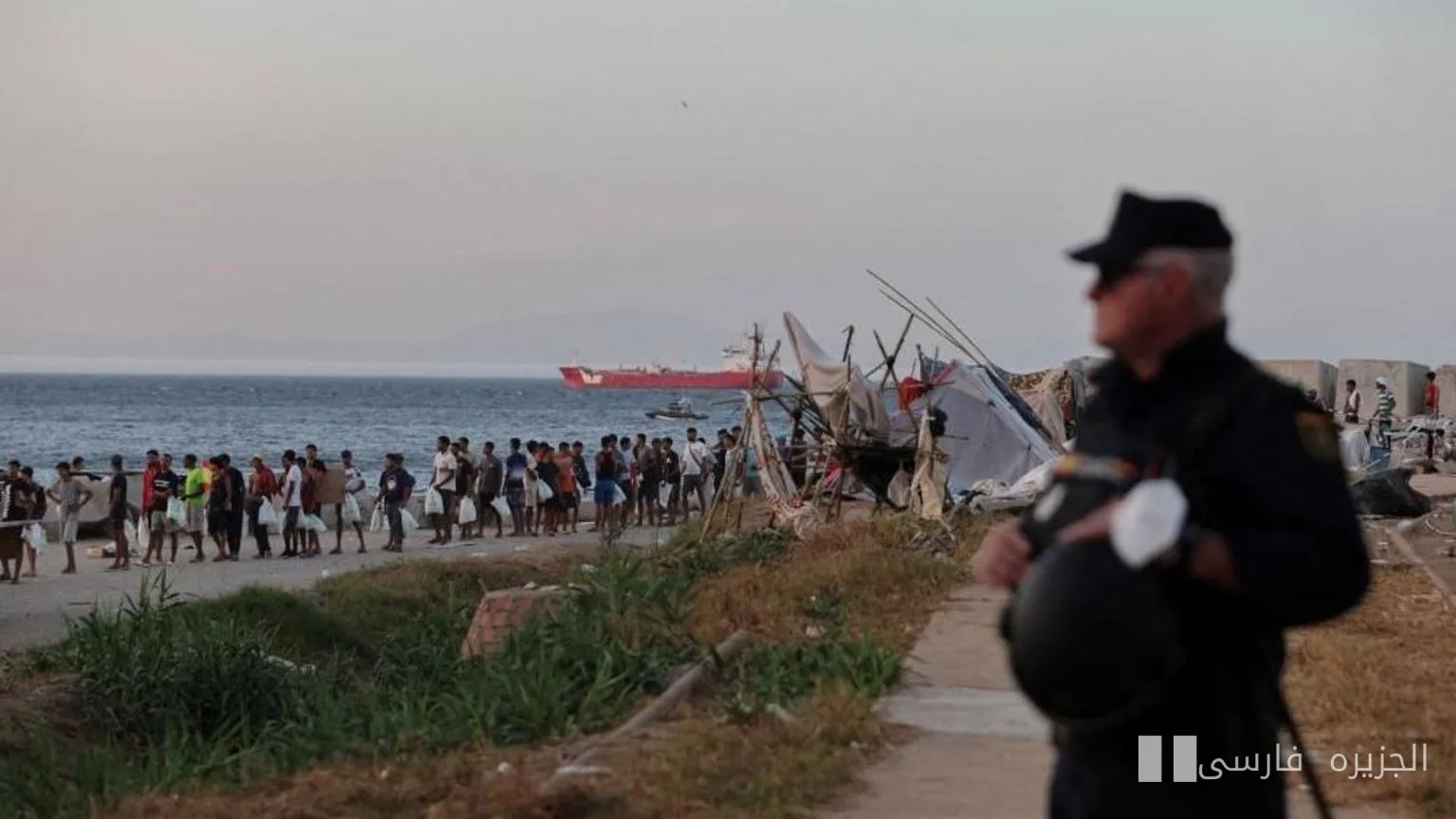
In recent days, the release of new documents has drawn attention to Spain's intelligence warnings regarding a large wave of migrants to Ceuta. According to these documents, Spanish and Moroccan officials were informed of the plans made on social media one day before the arrival of tens of thousands of migrants to the city.
Smartphones and Calls to Action
These documents show how social media has become a tool for organizing large migration movements. While this event was unfolding, officials seemed to pay little attention to these warnings, and the consequences quickly became apparent.
Ceuta, located in northern Morocco and bordering Spain, has always been a point of entry for migrants due to its geographical position. However, this time, the number of migrants entering the area simultaneously was unprecedented, raising the question of whether the relevant authorities were aware of these dangers.
Challenges and Consequences
This incident not only posed a challenge for local authorities but also raised serious questions about the effectiveness of intelligence and security systems. Could Spanish and Moroccan officials have responded to this issue with greater preparedness? Is it not time for intelligence and security structures to be updated to prevent such situations from occurring?
These developments come at a time when migration to Europe has become one of the major global challenges. Human rights activists and non-governmental organizations have also expressed concern about this situation and called for greater attention to the rights of migrants. Can European countries respond to this crisis, or is this just the beginning of a deeper crisis?