Al Jazara
روایت خاورمیانه
Al Jazara
روایت خاورمیانه 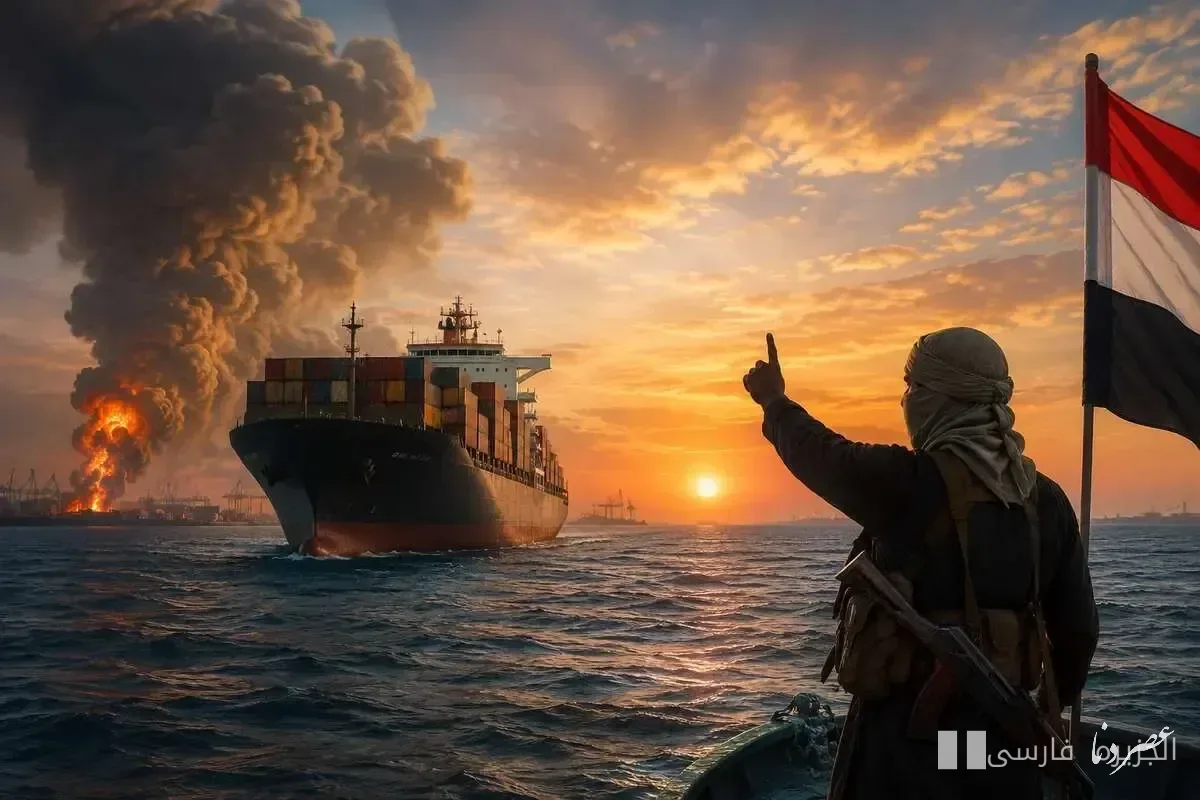
Ansarullah's attacks against Saudi Arabia along the western coasts of Yemen and across the Red Sea have intensified in recent days. The group recently announced that in response to Saudi airstrikes on Yemen, it has launched dozens of missiles and drones towards the "Khamis Mushait" airbase in southern Saudi Arabia. Saudi officials in this region and three other southern cities have declared a state of emergency.
Escalation of Tensions and International Reactions
With the onset of these attacks, the Saudi-led coalition has reported that thirteen civilians have been injured during the Houthi assaults. Recent advances by Ansarullah, including the capture of "Perim" Island at the entrance to the Red Sea, have put additional pressure on Saudi oil exports. This comes as a Thursday airstrike has disabled the "East to West" oil pipeline in Saudi Arabia, putting the country under significant pressure.
Read more: UN Request for International Inspectors to Enter Gaza
According to reports, the prolonged shutdown of this pipeline could reduce global oil supply by up to 4%, while the Strait of Hormuz remains largely blocked due to existing tensions. Yemeni officials recognized by the international community have stated that the air forces of Saudi Arabia and Yemen have intensified airstrikes on Ansarullah positions, yet the Houthis continue to maintain effective control over nearly the entire western coastline of the country.
Consequences and International Challenges
The renewed flare-up of conflict in Yemen presents another challenge for Donald Trump, the President of the United States. Washington has so far resisted Saudi Arabia's requests for direct military intervention, and Trump has discussed the current situation with Saudi Crown Prince Mohammed bin Salman. Meanwhile, the Houthis have sent a message to Washington, calling for non-intervention by the U.S. in this conflict.
Saudi Arabia, which has led a coalition against Ansarullah since 2015, is now facing new developments, and while the intensity of the conflict had decreased in recent years, it is now confronted with an increase in attacks and advances by Ansarullah. Oman was supposed to host a meeting with Iran and Gulf countries to discuss negotiations regarding the reopening of the Strait of Hormuz, but this meeting has been postponed.
In this context, Mohsen Rezaei, Secretary of Iran's Supreme National Security Council, has described the message from the U.S. President as an attempt to divert public opinion and stated that no negotiations will take place until Iran's conditions are met. Meanwhile, the Islamic Revolutionary Guard Corps has also announced that the Strait of Hormuz is under their control and no vessel will pass through this waterway without permission.
Read more: Bangsamoro Region Elections in the Philippines Require Coalition Negotiations · Saudi Arabia and Israel Talks Mediated by CENTCOM for Defensive Strengthening