Al Jazara
روایت خاورمیانه
Al Jazara
روایت خاورمیانه 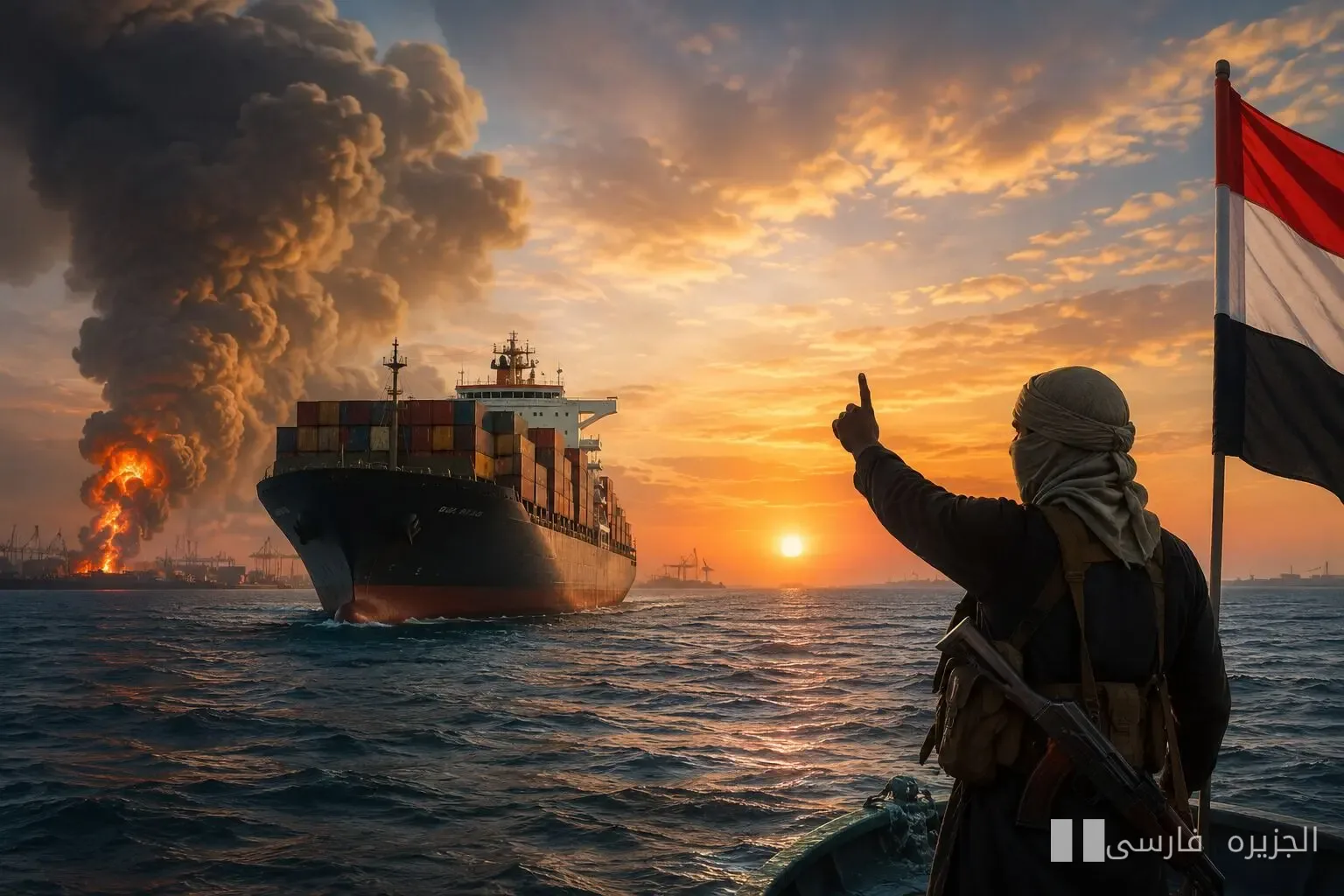
Yemen's Ansarullah has recently launched a new wave of attacks towards Saudi Arabia, seemingly in response to the deadlock in negotiations regarding the Strait of Hormuz.
Missile Attacks on Khamis Mushait
Yemeni officials reported that the group has fired dozens of missiles and drones at a military airbase in Khamis Mushait in retaliation for Saudi airstrikes on Yemen. The targets of these attacks included aircraft hangars, radar systems, runways, and ammunition depots. Following these attacks, Saudi officials declared a state of emergency in this region and three other southern cities.
The Saudi-led coalition reported that thirteen civilians have been injured during the Ansarullah attacks. This comes as recent advances by Ansarullah, particularly the capture of Perim Island at the entrance to the Red Sea, have increased pressure on Saudi oil exports.
Postponement of Negotiations and Its Impacts
Gulf Arab countries have postponed scheduled negotiations with Iran. This move has heightened concerns about the potential for further escalation of conflicts in the Middle East and threats to global oil supply. Meanwhile, Thursday's airstrike on Saudi Arabia's East to West oil pipeline has also disrupted oil transportation.
Saudi Arabia has led a coalition against Ansarullah since 2015. However, after several years of reduced intensity in the conflict, the situation in Yemen has become significantly unstable again this month. Yemeni government officials, recognized by the international community, have intensified their bombardment of Ansarullah positions. Meanwhile, Ansarullah continues to maintain effective control over the western coastal strip of the country along the Red Sea.
On an international level, the U.S. hesitation to intervene militarily in these conflicts presents another challenge for Donald Trump, the President of the United States. Trump discussed the situation in Yemen with the Crown Prince of Saudi Arabia and emphasized that the Houthis have also called for a lack of U.S. intervention in this conflict.
In this context, the shipping situation in the region has become highly unstable. Iran has threatened that ships passing through waterways under its control without permission will face severe consequences. The Islamic Revolutionary Guard Corps has stated that the Strait of Hormuz is under its control and no ship can pass through without permission.
Read more: The separatist group Azawad Liberation in Mali called for dialogue with Turkey · Postponement of the Salalah meeting and security challenges in Hormuz