Al Jazara
روایت خاورمیانه
Al Jazara
روایت خاورمیانه 
The increase in violence in Yemen continues as Hossein Amir-Abdollahian, the Iranian Foreign Minister, travels to China. This trip aims to negotiate efforts for mediation to end the war between the United States and Israel. Meanwhile, in Yemen, clashes have intensified, raising international concerns.
Escalation of Clashes in Yemen
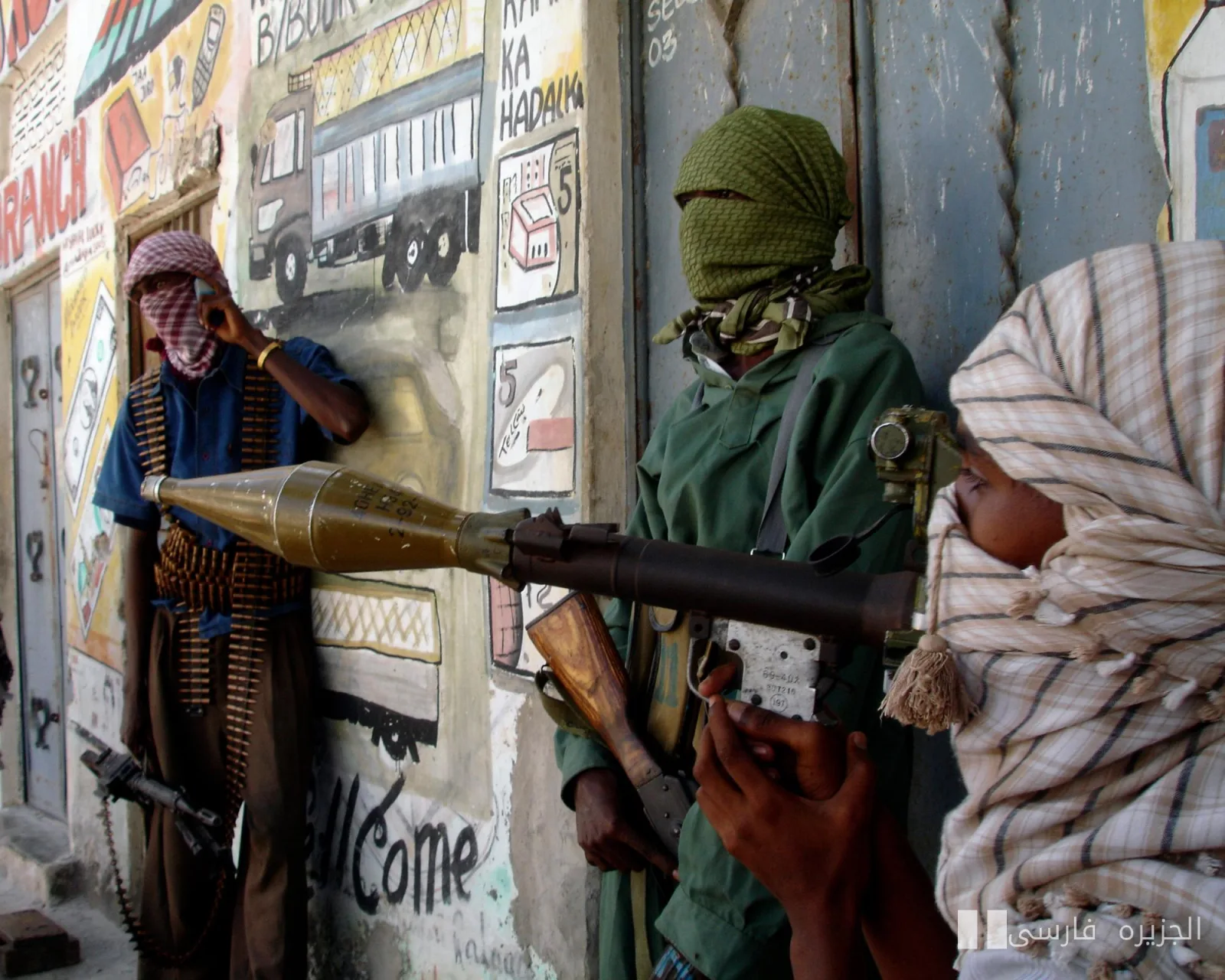
In recent days, reports of intense clashes between Houthi forces and the Arab coalition led by Saudi Arabia have emerged from various regions in Yemen. Clashes in the provinces of Taiz, Marib, and Al Hudaydah have significantly increased, resulting in numerous casualties and substantial financial losses. These clashes continue as the humanitarian situation in Yemen has deteriorated, with millions in need of emergency assistance.
Read more: U.S. Congress Decision on Impeaching Peter Hegseth Led by Thomas Massie
Consequences of the Iranian Foreign Minister's Visit
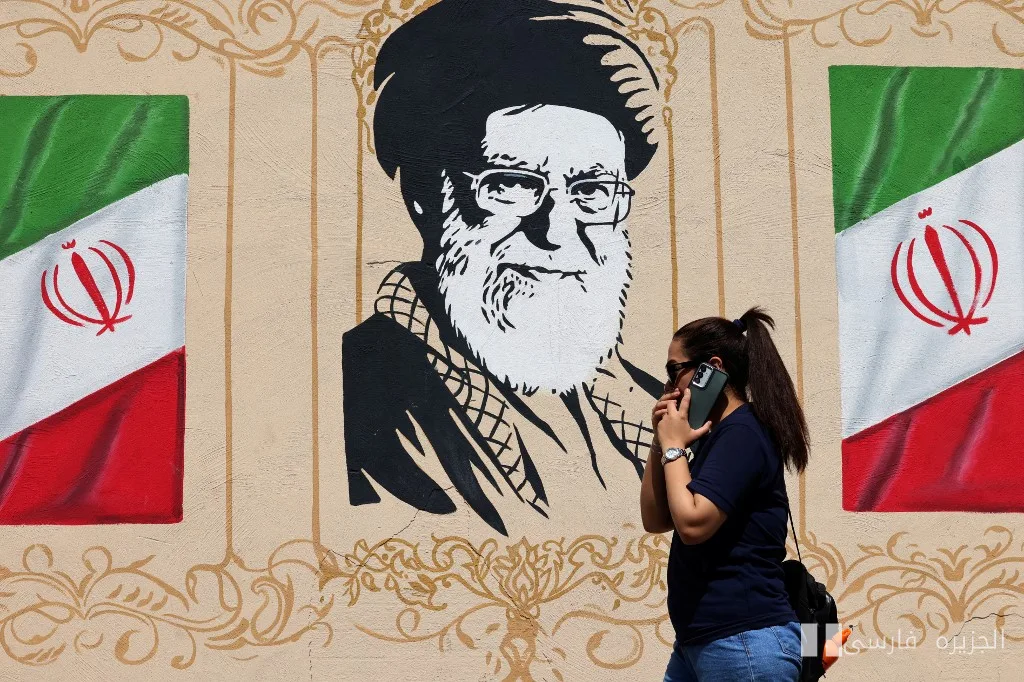
Hossein Amir-Abdollahian's trip to China occurs at a time when Tehran seeks to increase its role in international negotiations to resolve regional crises. Experts believe this visit could impact the course of the war in Yemen and may also exacerbate existing tensions in the Middle East. Iran, as one of the main supporters of the Houthis, plays a key role in developments in Yemen, and this trip may bring new efforts for mediation in regional conflicts.
Currently, Yemen has become one of the largest humanitarian crises in the world, with millions facing famine and disease. Given the rising violence and lack of progress in peace negotiations, the future outlook for Yemen remains uncertain. The Iranian Foreign Minister's visit to China may provide an opportunity to improve the situation in Yemen, but it could also lead to increased tensions.
Read more: UN Security Council Meeting on Yemen and Bab al-Mandab Strait in New York · Yemen's Defense Targets a Saudi F-15 Fighter Jet