Al Jazara
روایت خاورمیانه
Al Jazara
روایت خاورمیانه 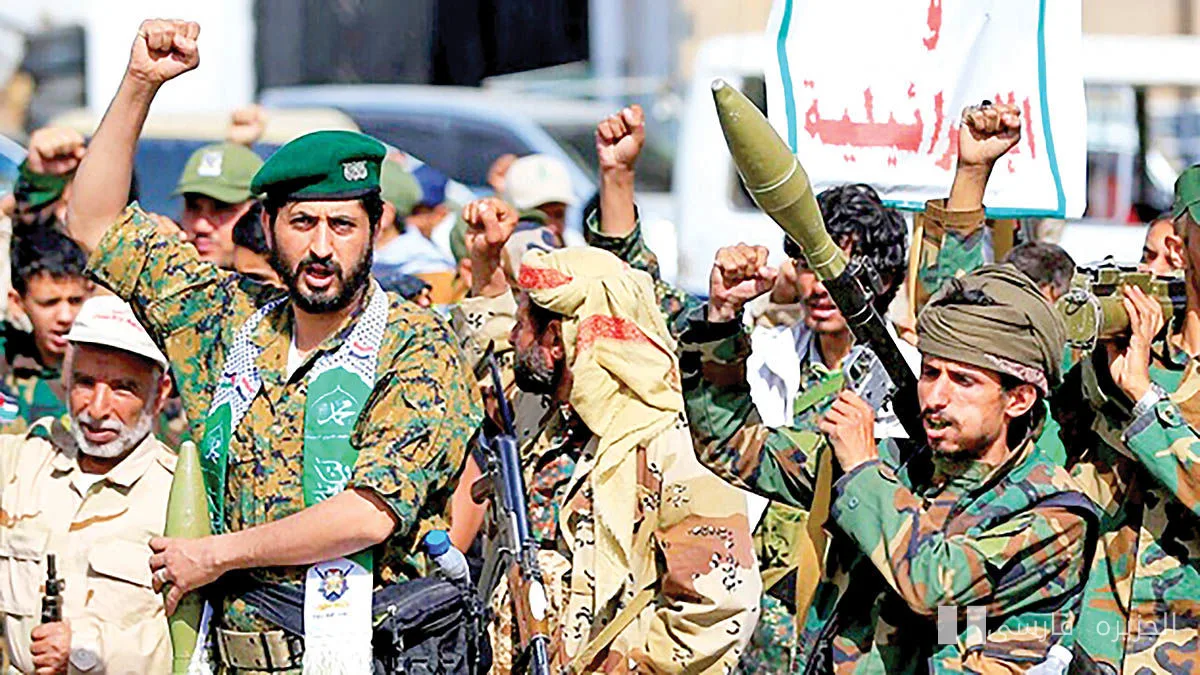
Timothy E. Lenderking, former U.S. special envoy for Yemen, discussed the military capabilities of the Houthis on Friday at a meeting at the Middle East Institute, stating: "They are taking every opportunity to develop and test their capabilities, to the point where they have now become the most capable non-state actor across the Middle East."
Risks Arising from Houthi Military Advancements
A recent report by Anthropic indicates that a core group of threatening agents based in northern Yemen, the Houthis' main base, has used the AI model "Cloud" to create guided weapons. Despite protective measures, this group has reached the testing phase of a guided missile launch. These advancements have given the Houthis greater flexibility to continue fighting against their Yemeni and Saudi enemies and to threaten Israeli and American targets.
Read more: Attack on Saudi Oil Lines, a Serious Challenge for Ali al-Zaidi, Prime Minister of Iraq
The Houthis have been testing surface drones for over a decade and used a remote-controlled boat carrying explosives to attack a Saudi corvette in 2017. This attack resulted in two fatalities. After the Houthis seized Sana'a, the capital of Yemen, in 2014, Saudi Arabia led a military coalition to support the Yemeni government and counter this group. Experts believe that the 2022 ceasefire has given the Houthis the opportunity to rebuild their forces and upgrade their equipment.
Shifting Balance of Power in the Middle East
Peter Salisbury, a professor at Columbia University's School of International and Public Affairs, states that following the announcement of the ceasefire in Yemen, the volume of imported goods to Yemen for weapon manufacturing has increased exponentially. According to him, Yemen is increasingly becoming a weapons manufacturing hub. Larger components, such as missile bodies, are now being produced in areas controlled by the Houthis instead of being imported from abroad.
Kevin Donegan, former commander of the U.S. Fifth Fleet, points out that the Houthis have been able to procure a significant portion of their necessary items by leveraging the global black market supply chain. However, they still require key components that ensure the effectiveness of the missiles. These items can be transported to Houthi-controlled areas via medium vessels such as traditional dhows.
Reports indicate that U.S. officials met with representatives of Yemen's Ansar Allah movement in Muscat over the past weekend. This confidential meeting occurred just days after Ansar Allah forces took control of strategic sections of the Red Sea coast. Ansar Allah representatives assured the U.S. side that they have no intention of targeting U.S. vessels and remain committed to the 2025 ceasefire with the United States.
This situation highlights the challenges Saudi Arabia faces against the Houthis. According to Amberin Zaman, Saudi Arabia's "cautious deterrence" policy in dealing with the Houthis and Shiite militias in Iraq has reached an impasse. The visit of General Brad Cooper, commander of CENTCOM, to Saudi Arabia may also have influenced this decision. The question arises whether Saudi Arabia will be able to choose between pursuing a regional solution and full alignment with the United States.
Read more: The Israeli Army Recommended to Israeli Political Officials Not to Engage with Ansar Allah · The Houthis' Strike on the Mecca Pact; Challenges for the Saudi, Turkish, and Pakistani Coalition