Al Jazara
روایت خاورمیانه
Al Jazara
روایت خاورمیانه 
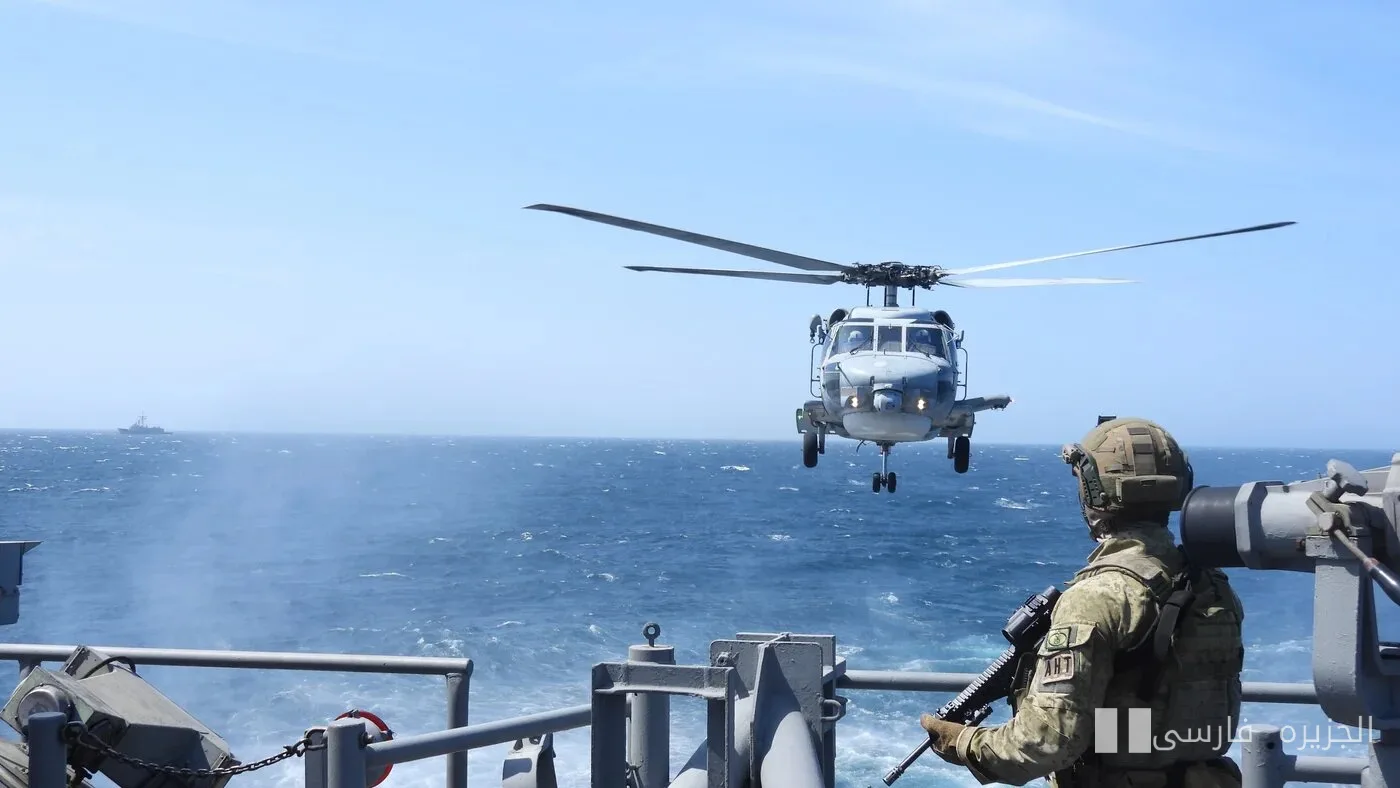
The recent movements of the Houthis in the Bab al-Mandab Strait, which began in the early hours of yesterday morning, have seriously attracted the attention of analysts and experts on regional issues. In this context, Dr. Ata Taghavi Asl, a regional issues analyst, has examined the strategic dimensions of these movements.
The Role of the Bab al-Mandab Strait in the Global Economy
The Bab al-Mandab Strait, as one of the two vital chokepoints of the global economy, alongside the Strait of Hormuz, holds special significance. The dominance or influence of the Houthis over this region could be considered a new "trump card" for the resistance front against international pressures. Dr. Taghavi Asl states that if the Houthis can stabilize their geopolitical position in this area, they will be able to gain strategic advantages for themselves and Iran's regional interests by exerting pressure on maritime transit.
Read more: Transfer of Hezbollah's Weaponry Battle to the North of the Litani River
Analysis of Houthi Movements and the Response of the Saudi Coalition
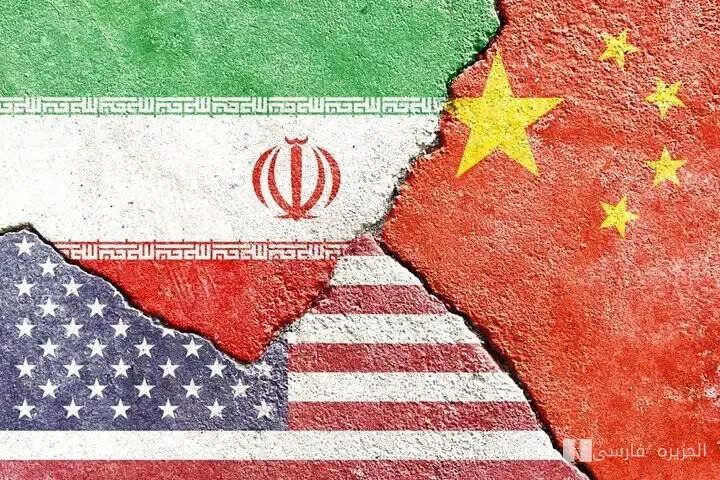
The military movements of the Houthis in the Bab al-Mandab Strait are interpreted as a reaction to the air and ground blockade imposed by the Saudi coalition, which has limited their operational freedom in the air for years. On a larger scale, these actions are part of a complex geopolitical game between Iran and the United States, in which the Houthis seek to increase pressure on Saudi Arabia and improve their position in future negotiations.
Dr. Taghavi Asl also refers to possible future scenarios. Initially, there is a possibility of the Houthis retreating from the strategic points they have captured. However, he also points to Iran's covert role in managing these movements and raises the possibility of Iranian mediation between Saudi Arabia and the Houthis to prevent the Yemen issue from escalating into a direct geopolitical crisis.
Future Outlook and Possible Solutions
Given the complexity of existing relations, there are two main paths ahead for the Houthis and Saudi Arabia. The first is a military solution, which requires support from the United States or even Israel. However, reports indicate that the United States has refrained from direct involvement due to the geographical complexities and the dispersion of Houthi power.
The second path is a diplomatic resolution; a middle ground where the Houthis refrain from disrupting trade routes and attacking Saudi economic centers, and in return, Saudi Arabia revises its blockade policy to allow a return to normal trade and air travel. Considering the long-term planning of the Houthis for these actions, it seems that they will not retreat from their positions without gaining specific concessions.
Read more: The Israeli Army Recommended to Political Officials of the Zionist Regime Not to Engage with Ansar Allah · The Control of the Houthis and Iran over the Socotra Island and Vital Chokepoints of the Middle East