Al Jazara
روایت خاورمیانه
Al Jazara
روایت خاورمیانه 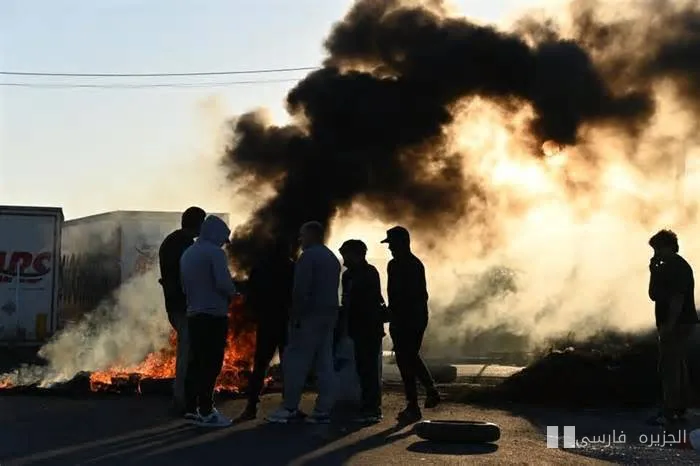
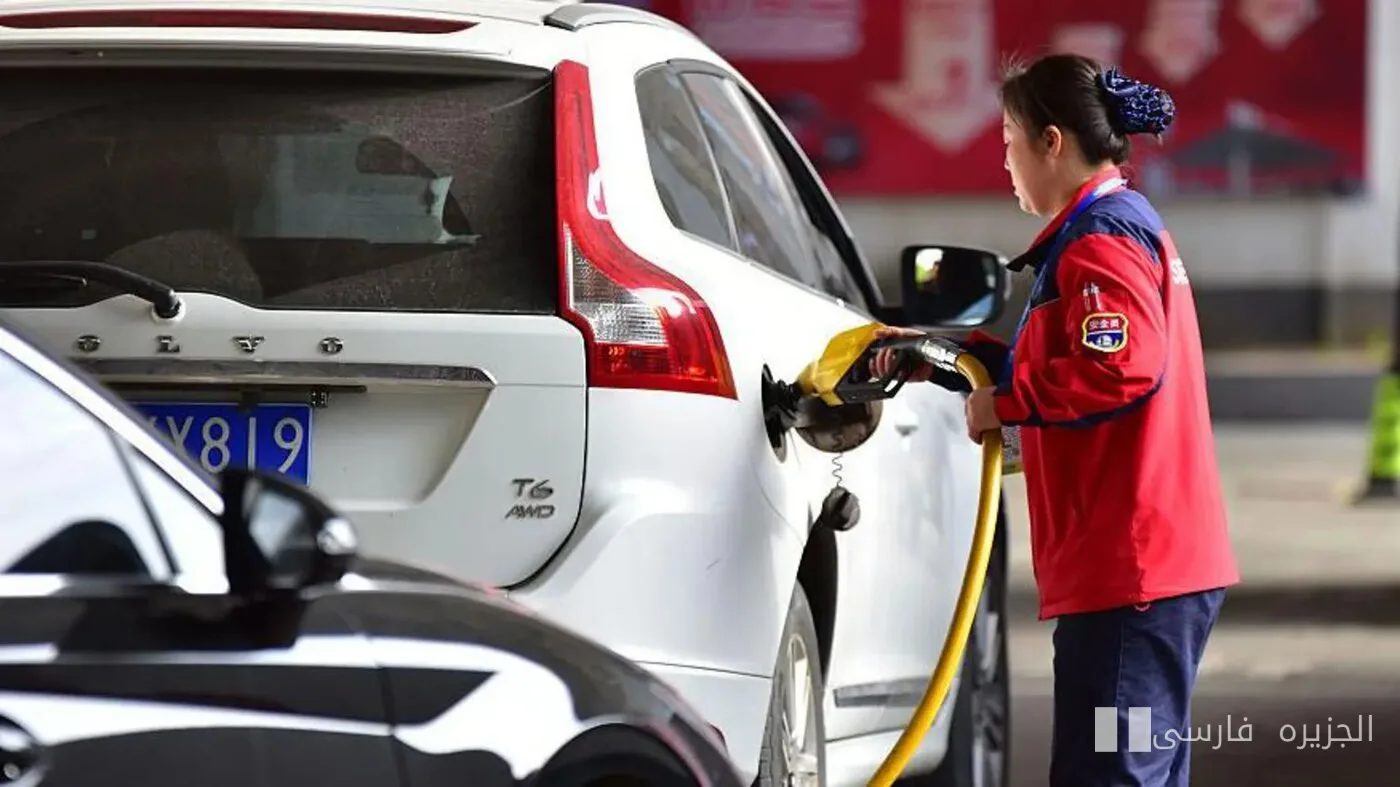
The price of fuel in France has increased unprecedentedly, leading to severe public discontent. Recently, the price of gasoline has reached €2.2 per liter, which is considered the highest price in France's history. Meanwhile, the price of diesel has approached €2.1, and experts predict that this trend will continue.
Causes of Fuel Price Increase
The increase in fuel prices in France depends on various factors. The rise in crude oil prices in global markets, supply chain disruptions due to economic crises and geopolitical tensions in some countries, are all factors that have contributed to this increase. Additionally, high government taxes on fuel have significantly impacted the final price.
Read more: The U.S. Congress has approved new sanctions against buyers of Russian oil
Public Reaction and Protests
This price increase has led to widespread discontent among the public, resulting in various protests in major cities across France. Protesters have taken to the streets with slogans against the government and its economic policies, demanding immediate action to reduce prices. Many people believe that these price increases have severely affected their purchasing power and made their daily lives difficult.
In Paris, protesters have taken to the streets, staging demonstrations and blocking roads and highways to express their discontent. The police intervened to control the situation and prevent unrest, using tear gas. These clashes quickly spread to other cities in France, indicating the intensity of public discontent.
Social and Economic Consequences
The increase in fuel prices will not only have negative economic impacts on households but may also lead to social consequences. The daily livelihoods of many households have been severely affected by these price increases, and many families are facing serious challenges in meeting their basic needs. This situation could lead to increased social discontent and the emergence of new crises.
The French government is trying to respond to this crisis by offering solutions such as reducing fuel taxes and supporting low-income households. However, it seems that these measures alone will not be sufficient and require more comprehensive and serious planning.
Read more: The $38 billion cost of the U.S. war against Iran and its implications for the economy · Nationwide protests in Syria against the rise in fuel prices