Al Jazara
روایت خاورمیانه
Al Jazara
روایت خاورمیانه 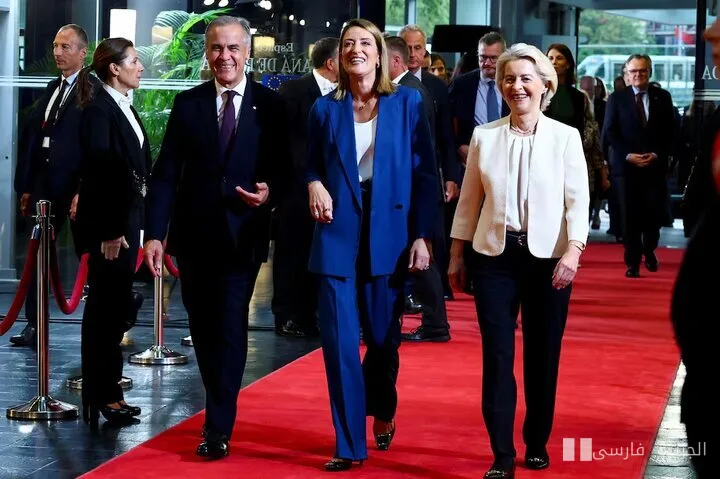
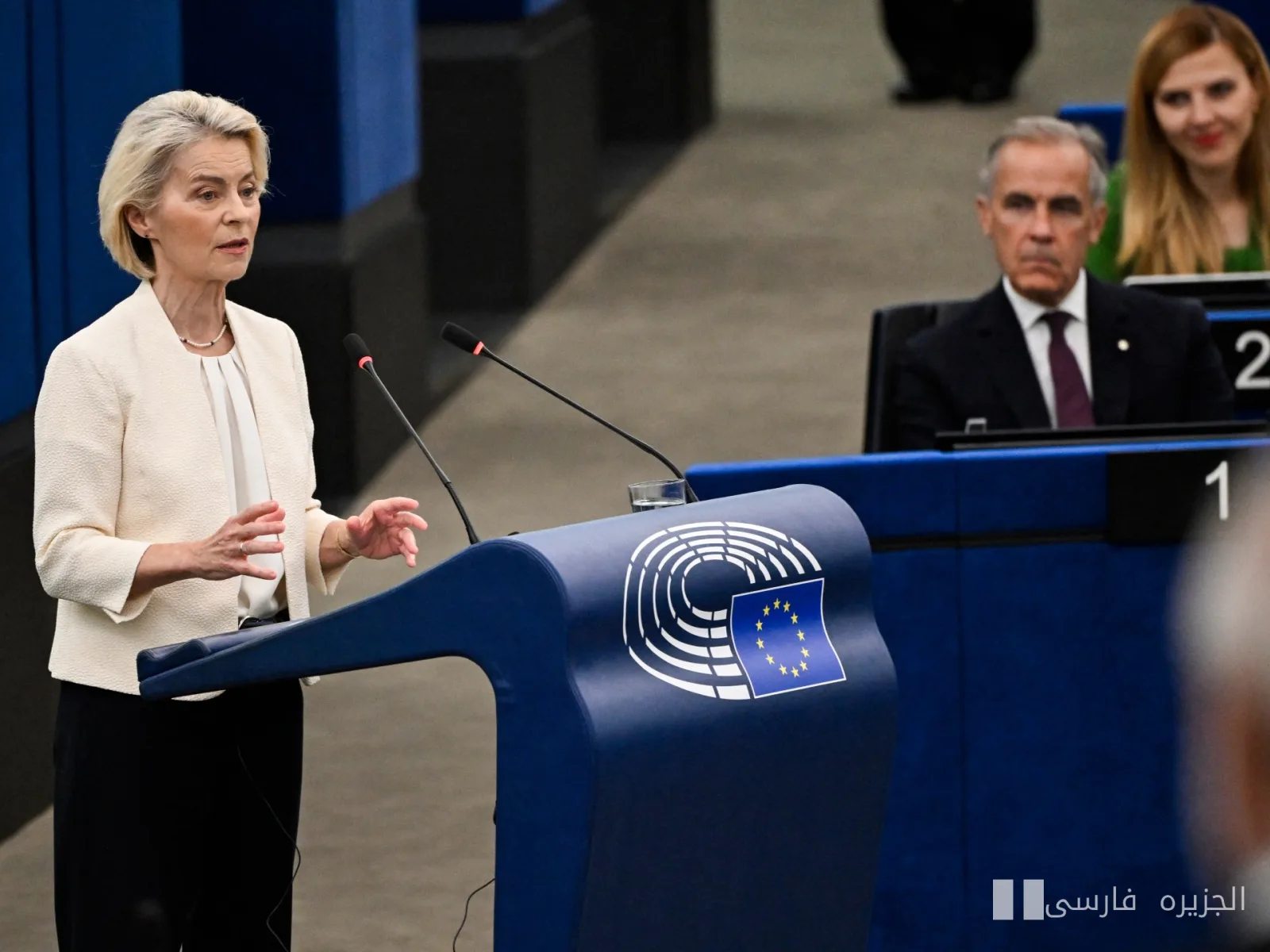
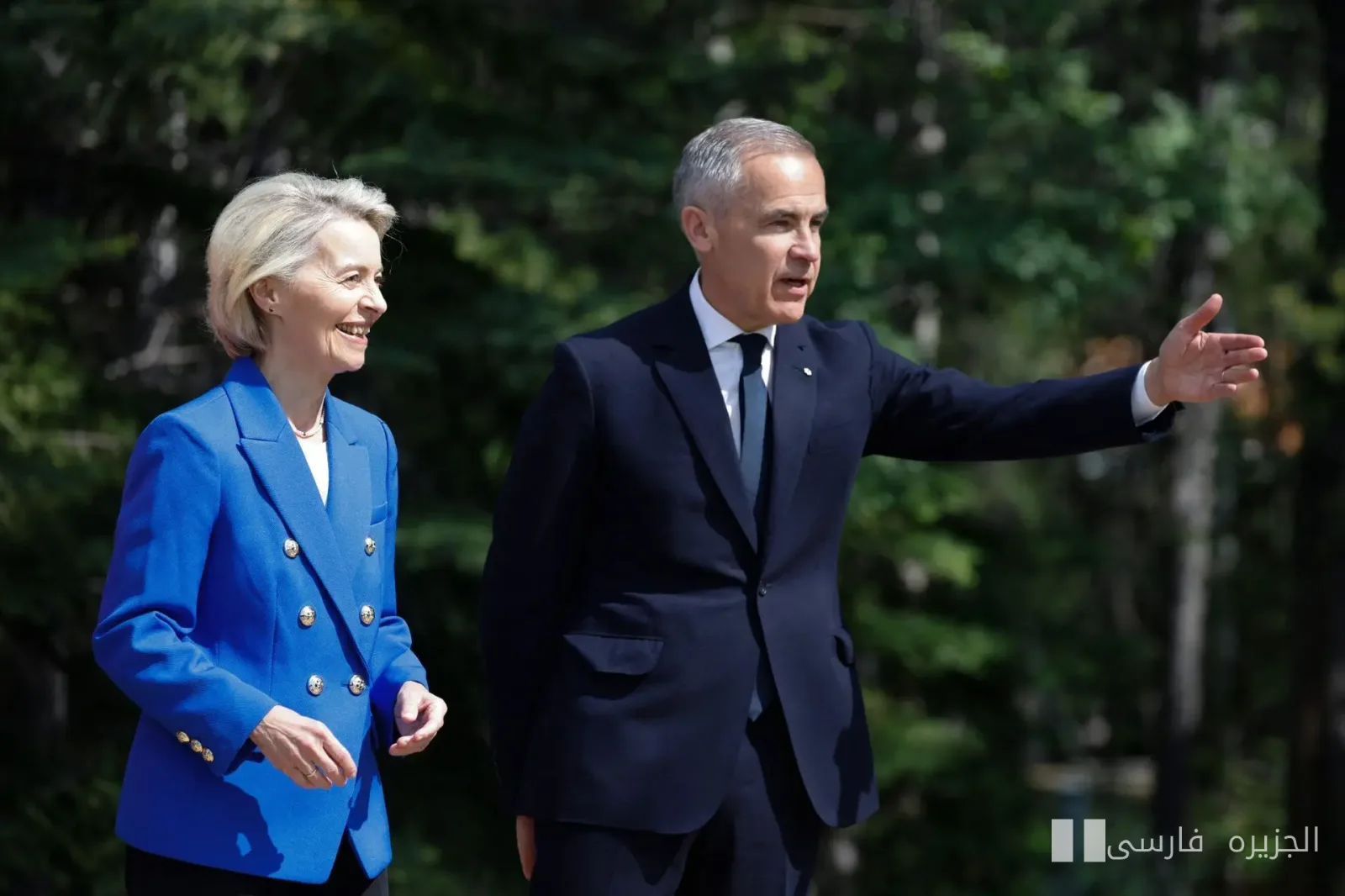
Ursula von der Leyen, President of the European Commission, introduced Canada as the first 'associated member' of the European Union during her annual speech at the European Parliament in Strasbourg on September 26, 2023. This proposal comes amid economic and political tensions between Canada and the United States and follows the Canadian government's efforts to diversify its trade relations and reduce dependence on the U.S. market.
New Cooperation Proposal with Canada
In her speech, von der Leyen explained that this proposed partnership aims to create a 'shared space for economic prosperity and security' based on the EU-Canada Free Trade Agreement (CETA). She emphasized that cooperation between Europe and Canada will not be limited to trade but will also be based on shared democratic values. Von der Leyen stated, 'We have a common view of the world: from artificial intelligence to climate change, from the Arctic to geopolitics.'
Read more: Controversial victory of the right-wing in Germany: Trump celebrates
These remarks by von der Leyen are seen as a significant shift in EU policy, as this bloc has historically resisted flexible arrangements. In this context, she invited Mark Carney, the Prime Minister of Canada, to join her in Strasbourg and deliver his speech on Thursday.
Energy and Security Challenges
Von der Leyen continued her speech by addressing the challenges arising from dependence on energy resources, stating, 'Since the beginning of the conflict in the Strait of Hormuz, our imports of fossil fuels have cost us an additional 90 billion euros, without receiving a single additional molecule of energy.' She also emphasized the need to develop green energy sources, including renewable and nuclear energy.
The President of the European Commission also pointed out the necessity of establishing a mechanism alongside NATO Article 4, stating, 'We still have too many dangerous dependencies. For many critical raw materials, we are over 80% dependent on China, and for some rare earth elements, it is as high as 90%.' These statements reflect serious concerns in Europe regarding energy security and the supply of raw materials.
Concerns about the Middle East and Human Rights
In discussing the Middle East, von der Leyen referred to the humanitarian suffering in Gaza and the violence of Israeli settlers in the West Bank, stating, 'The Israeli cabinet's decision to advance the illegal E1 settlement project is unacceptable.' She emphasized that Europe must play a greater role in supporting the rights of Palestinians and maintaining the 'two-state solution.'
Finally, von der Leyen noted that currently, EU member states have been unable to reach the necessary consensus for a unified response to developments in the Middle East, stating, 'When Europe is divided, it cannot change the course of events.' These remarks highlight the challenges facing Europe on the international stage and the need for solidarity among the members of this union.
Read more: Sweden on the brink of elections: Will the right-wing come to power? · Ursula von der Leyen: Canada could become the first associated member of the European Union