Al Jazara
روایت خاورمیانه
Al Jazara
روایت خاورمیانه 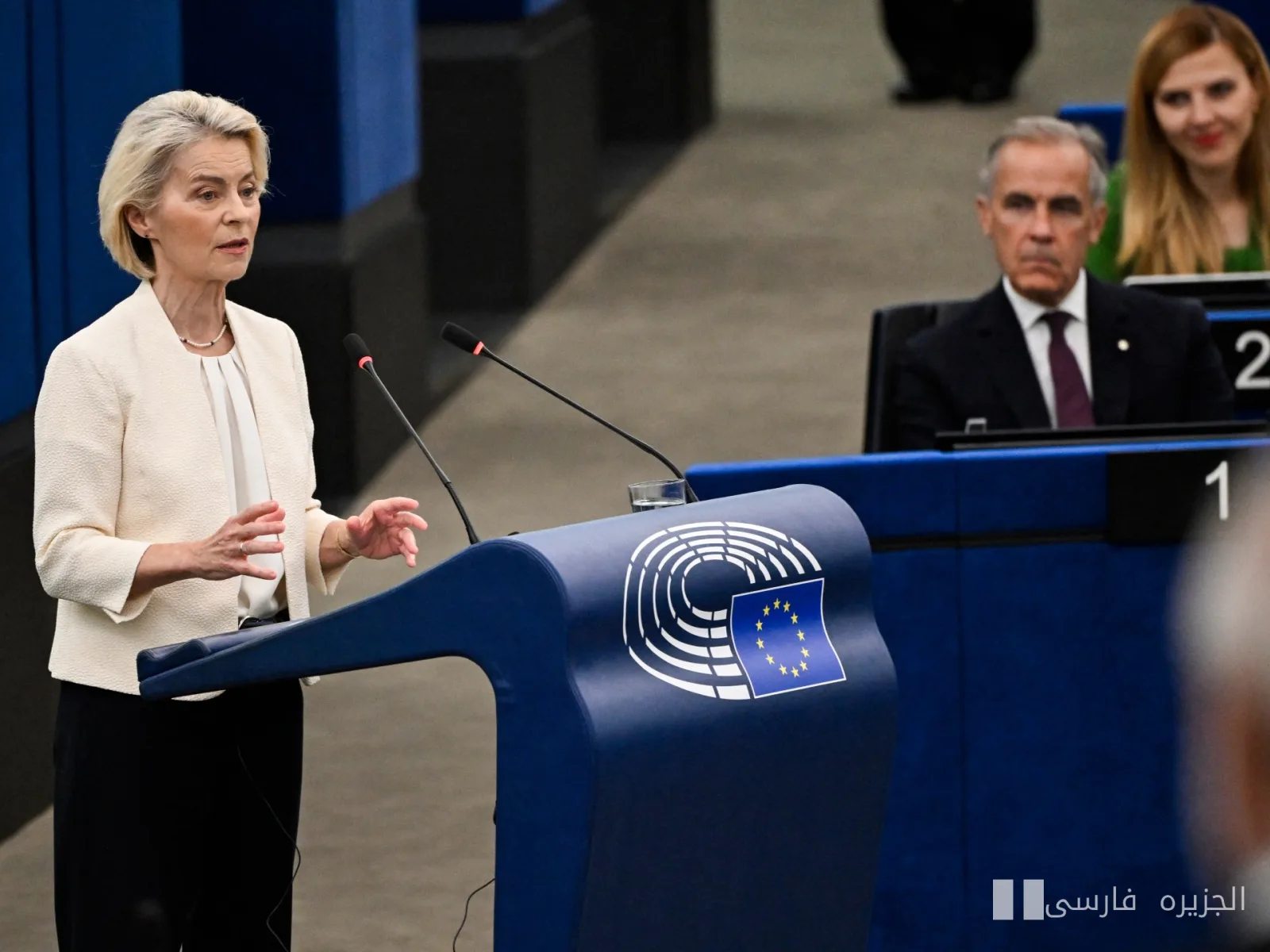
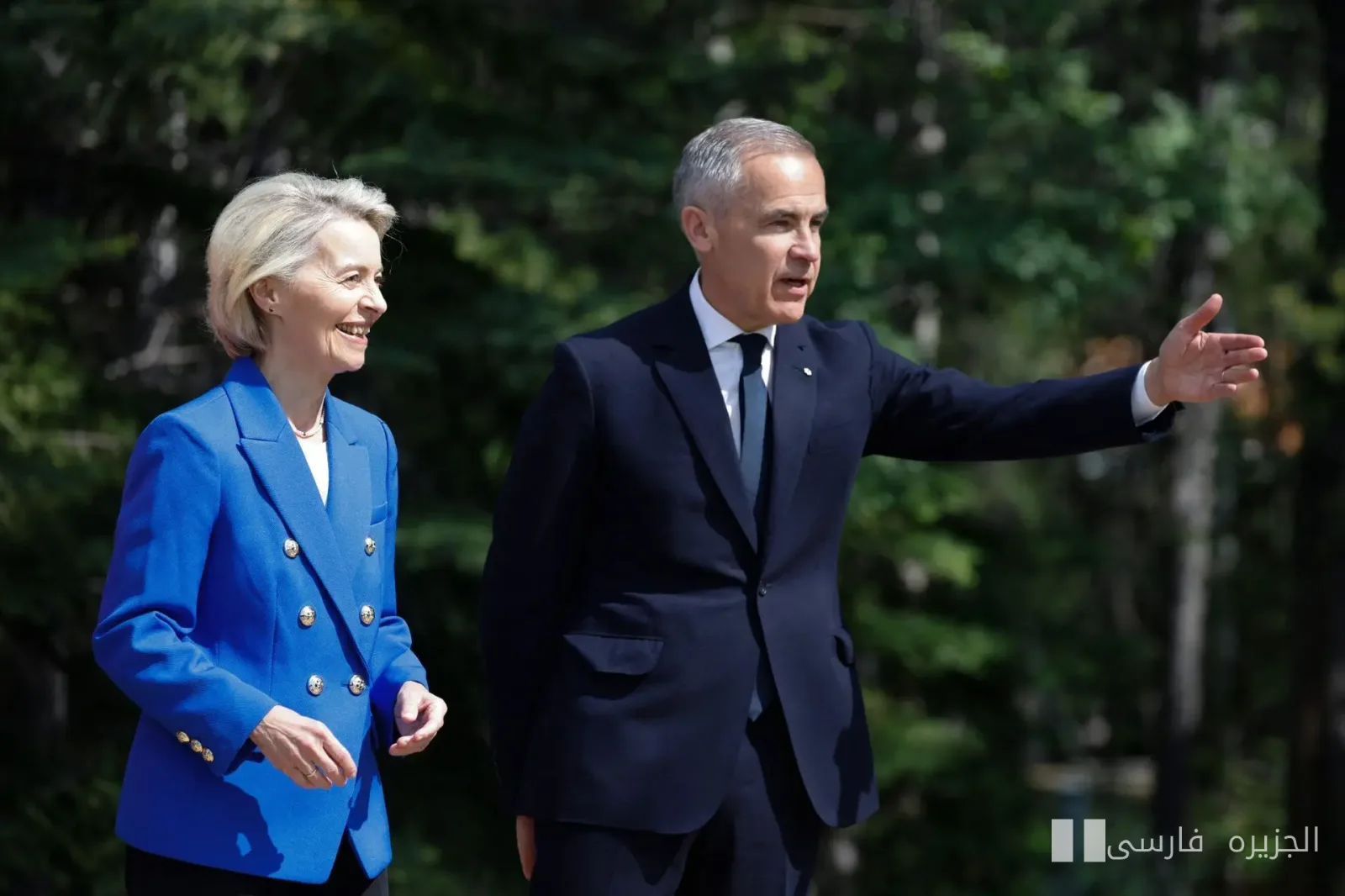
Ursula von der Leyen, President of the European Commission, proposed on September 27, 2023, in the European Parliament in Strasbourg, that Canada be recognized as the first 'Associate Member' of the European Union. These remarks came as Mark Carney, the Prime Minister of Canada, had previously announced that his country is seeking to create a 'unique coalition' with the European Union but does not wish for full membership.
Steps Towards Closer Cooperation
In her speech in Strasbourg, von der Leyen emphasized the need for Brussels and Ottawa to come closer together, stating: 'It is time to move from trade-based cooperation to a 'coalition for the future' and elevate our relationship with Canada to the highest possible level.' She also noted that democracies are facing a 'gap in the international rules-based order' and must collaborate in this regard.
Read more: Minimal presence of leftist parties in Sweden's elections against the decline of the right-wing
Canadian Prime Minister Mark Carney, who was the first foreign official to attend this event, will deliver a speech next month at a European Union and Canada meeting in Montreal. Von der Leyen added: 'I want to work with you to open the doors towards Canada as the first Associate Member of the European Union.'
Implications of the Proposal
This proposal comes at a time when the European Union is facing economic and political challenges stemming from the policies of the United States government led by Donald Trump. Additionally, this proposal appears to seek further cooperation in areas such as manufacturing, artificial intelligence, critical minerals, and energy.
Although EU treaties do not specifically foresee the possibility of becoming an 'Associate Member', this idea was first raised by German Chancellor Friedrich Merz earlier this year in relation to Ukraine. This proposal met with a lukewarm response from Kyiv, as Ukraine is seeking full membership status in the European Union.
Canada and the European Union have already experienced significant cooperation in trade and economic fields. The Comprehensive Economic and Trade Agreement (CETA), which has eliminated nearly all tariffs, has contributed to an over 80% increase in trade in goods and services between the two parties since 2016.
Read more: Sweden sends Britons towards deportation: Is this an unfair decision? · Pezeshkian at the BRICS summit: Turn economic power into action